Meal Timing and Regularity
Exploring how meal timing patterns vary in daily life and what factors influence these choices.
Understanding Meal Timing
Meal timing refers to the timing and frequency with which people consume food throughout the day. Different individuals adopt different patterns based on their daily routines, work schedules, family structures, and personal preferences. Research shows that significant variation exists in how people distribute their food intake across the day.
Some people follow traditional patterns of three main meals daily, while others prefer frequent smaller meals. Many combine these approaches or follow other patterns entirely. The diversity of meal timing practices reflects the complexity of daily life and individual circumstances.
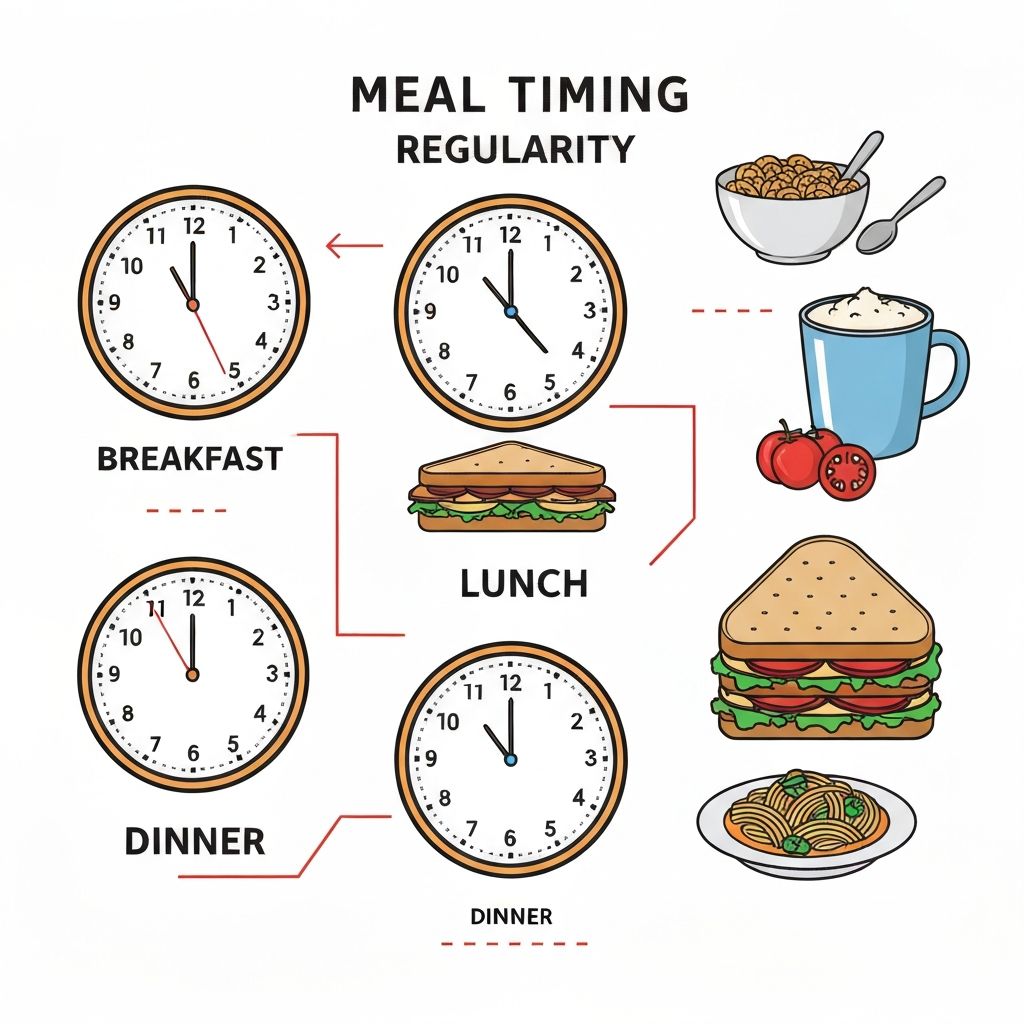
Factors Influencing Meal Timing
Multiple factors influence how people structure their meal times:
Work and Daily Schedule
Employment patterns significantly shape meal timing. Traditional office workers might maintain specific lunch hours, while shift workers experience different patterns. Self-employed individuals may have flexible meal timing, while those in service industries might eat at irregular times.
Family and Social Structure
Family composition influences meal patterns. Families with children often structure meals around school schedules. Single individuals may follow different patterns than those living with others. Cultural and family traditions shape expectations about when and how meals are consumed.
Physical Activity Level
Active individuals may consume meals and snacks at different times than less active people. Exercise schedules, training routines, and activity levels all influence when people feel hungry and when they choose to eat.
Personal Preferences
Individual preferences play a significant role. Some people prefer eating early in the day, others later. Some enjoy frequent meals, others prefer fewer, larger meals. These preferences develop through experience and personal habits.
Typical Meal Timing Patterns
Observing daily routines across populations reveals several common eating patterns:
- Three Meals Pattern: Breakfast, lunch, and dinner at regular times, traditionally the most common pattern in many Western populations.
- Frequent Meals Pattern: Multiple smaller meals and snacks distributed throughout the day, sometimes followed by people with high activity levels.
- Skipped Breakfast Pattern: Some individuals consume no breakfast, beginning eating at midday or later.
- Grazing Pattern: Continuous small food intake throughout waking hours rather than distinct meal times.
- Intermittent Eating Pattern: Eating concentrated within specific time windows, with extended periods of no food consumption.
Meal Regularity in Daily Life
Regularity of meal timing varies significantly. Some people maintain consistent daily meal times, while others experience frequent variations due to work demands, schedules, or personal circumstances. Both regular and irregular meal timing patterns exist across different populations.
Factors affecting regularity include:
- Occupational demands and shift work
- Seasonal changes and daylight hours
- Travel and changing environments
- Family and caregiving responsibilities
- Personal preference for flexibility or structure
Educational Content Only: This article presents informational content about meal timing patterns observed in daily life. It does not provide recommendations about what meal timing approach is appropriate for any individual. Meal timing choices are personal decisions based on individual circumstances.